Biological therapy supporting hair loss treatment

Exosome therapy for hair

dr n. med. Piotr Turkowski (PWZ: 2786580) wrzesień 2026

Hair loss may be linked to dysfunction of the scalp, microcirculation, or the hair follicle environment. Exosome therapy for hair is a biological procedure used to treat hair loss as a supportive treatment based on mechanisms of intercellular communication and regenerative processes. The procedure is preceded by an assessment of the scalp condition and a medical evaluation to determine suitability.

  • Advanced next-generation biological therapy
  • Stimulation of cell and hair follicle regeneration
  • Support for the treatment of androgenetic and telogen alopecia
  • Natural hair growth stimulation—needle-free or via micro-injections
REGENERATION
0%
focus on the biomolecular stimulation of stem cells
TREATMENT TIME
0-45
minutes of a single in-office therapy session
SERIES OF TREATMENTS
0-5
sessions in a recommended series for optimal results
SIGNS OF GROWTH
0+
proteins and growth factors that activate dormant follicles

*The treatment parameters presented are based on PT Clinic’s medical standards and advanced exosome therapy protocols, drawing upon recommendations from scientific societies in the fields of regenerative medicine and dermatology regarding biomolecular tissue stimulation. The final therapeutic outcomes—including the degree of stem cell biomolecular stimulation and growth signal activation, as well as the timeline for the appearance of results—depend on the patient’s individual biological characteristics, the underlying cause of the condition, and their overall health status.

Exosome therapy for hair – what is it?

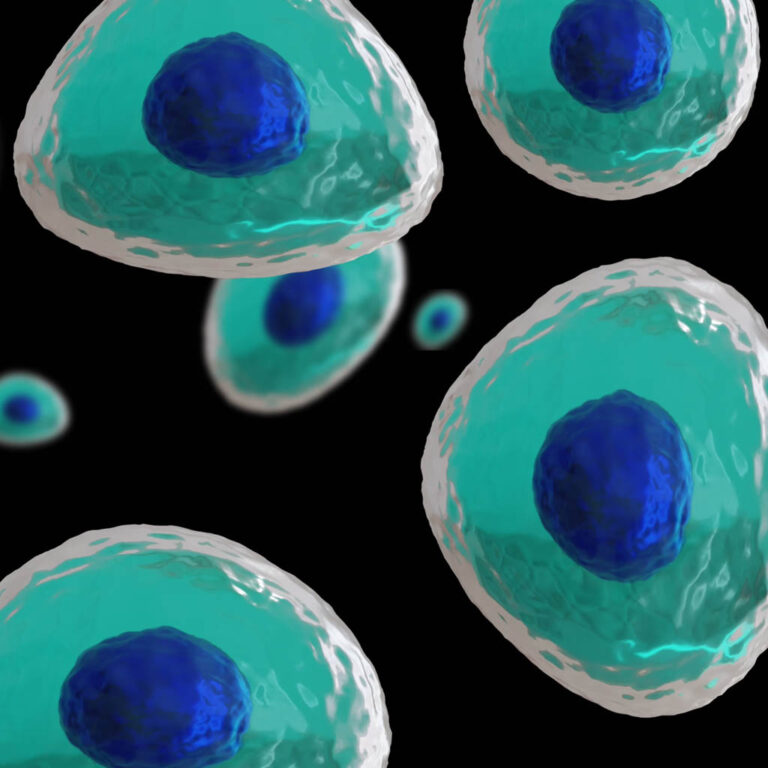
Exosome therapy for hair is a biological treatment considered for addressing scalp disorders and hair loss. It relies on the use of exosomes—extracellular biological vesicles involved in natural intercellular communication. Exosomes act as carriers of biological signals capable of influencing the tissue environment of the scalp.

Exosomes contain, among other components, proteins, lipids, RNA, and microRNA, which under physiological conditions participate in regulating processes occurring within tissues. Regarding the scalp, their application is the subject of experimental studies and clinical observations concerning their impact on regenerative processes, microcirculation, and the local immune response.

Exosomes are administered topically to the scalp, aiming to influence the biological environment surrounding the hair follicles rather than directly stimulating their growth. Exosome therapy is neither a physical nor a laser-based procedure, and it does not involve mechanical or thermal action on the tissues.

The mechanism of action of exosome therapy involves modulating processes within the scalp, including intercellular communication and the hair follicle environment. This method serves a supportive role and requires a medical assessment and an evaluation of the causes of hair loss in each case.

Detailed information

What do you need to know?

Before deciding on this modern procedure, familiarize yourself with the key information regarding how it works.

Indications
Excessive hair loss, androgenetic alopecia, weakened hair roots, hair follicle miniaturization, and the need for advanced biological regeneration.
Duration
30 – 45 minutes
Anesthesia
Lack
Convalescence
Lack
Final results
Therapy outcomes depend on the assessment of the problem's severity, as well as the individual body's response to the treatment administered.
Continuation of therapy
Depending on medical indications, the doctor may recommend follow-up visits or booster treatments.
Recommended number of repetitions
A series of 3–5 treatments at scheduled intervals (follow-up and maintenance visits to sustain the effect)

“Exosomes are a natural component of intercellular communication. Their use in scalp therapy is being analyzed in the context of regenerative processes, rather than as a method guaranteeing specific results.”

– Dr n. med. Piotr Turkowski

Who is exosome hair therapy for?

Eligibility for exosome therapy is determined based on the clinical presentation of the scalp and an analysis of the underlying mechanisms of hair loss. This method is considered as a supportive treatment for patients exhibiting scalp microenvironment imbalances that may affect hair follicle function.

When is it worth considering exosome therapy for hair?

Exosome therapy may be considered for individuals:
  • with androgenetic or telogen effluvium, according to clinical observations,
  • with chronic scalp disorders affecting the hair follicle environment,
  • in whom a weakening of the scalp microenvironment is observed,
  • as part of combination therapy with other treatment methods, such as PRP, low-level laser therapy, or peri- and postoperative care following hair transplantation.

When should exosome therapy for hair be postponed?

Exosome therapy is not performed in cases of:
  • active scalp infections or inflammatory conditions in an acute phase,
  • dermatological conditions requiring prior causal treatment,
  • general medical contraindications, including active malignancies,
  • situations requiring particular clinical caution, e.g., in the course of certain autoimmune diseases.
Are you unsure whether exosome therapy for hair is right for you? An assessment of your scalp condition and the causes of hair loss helps determine the possible treatment options.
Schedule a consultation

Effects of exosome therapy for hair

Exosome therapy is one of the methods that may be considered as part of the treatment plan for selected cases of hair loss. Its use is always preceded by a medical consultation and an assessment of medical indications.
Research is currently underway into the potential application of exosomes in regenerative medicine, including the treatment of hair loss.

Available scientific literature indicates a need for further clinical research to better evaluate the efficacy and durability of the results, as well as the role of this method in treating various forms of hair loss.
Exosome-based treatments can be employed in clinical practice as part of a personalized treatment plan. The scope and appropriateness of such therapy are assessed on a case-by-case basis by the physician, taking into account the cause of hair loss, the patient’s health status, and current medical knowledge. In clinical practice, exosome therapy may be associated with observations regarding:

  • the environmental impact on hair follicles,
  • modulation of scalp microcirculation,
  • changes in the biological parameters of the scalp,
  • improvement of the operating conditions of the structures responsible for the hair cycle.

What does exosome therapy for hair involve?

The course of exosome therapy comprises several stages: from the initial consultation and medical assessment to the procedure itself and post-treatment recommendations. Each stage is planned individually, taking into account medical indications and the patient's health status. The therapy is not administered routinely and may form part of a broader diagnostic and therapeutic plan.

Clinical assessment and eligibility for therapy

The process begins with an assessment of the scalp condition and an analysis of the problem reported by the patient. The physician considers the clinical presentation, potential causes of hair loss, and any prior treatments. At this stage, the suitability of incorporating exosome therapy as a supportive measure is evaluated.

Administration of exosomes to the scalp

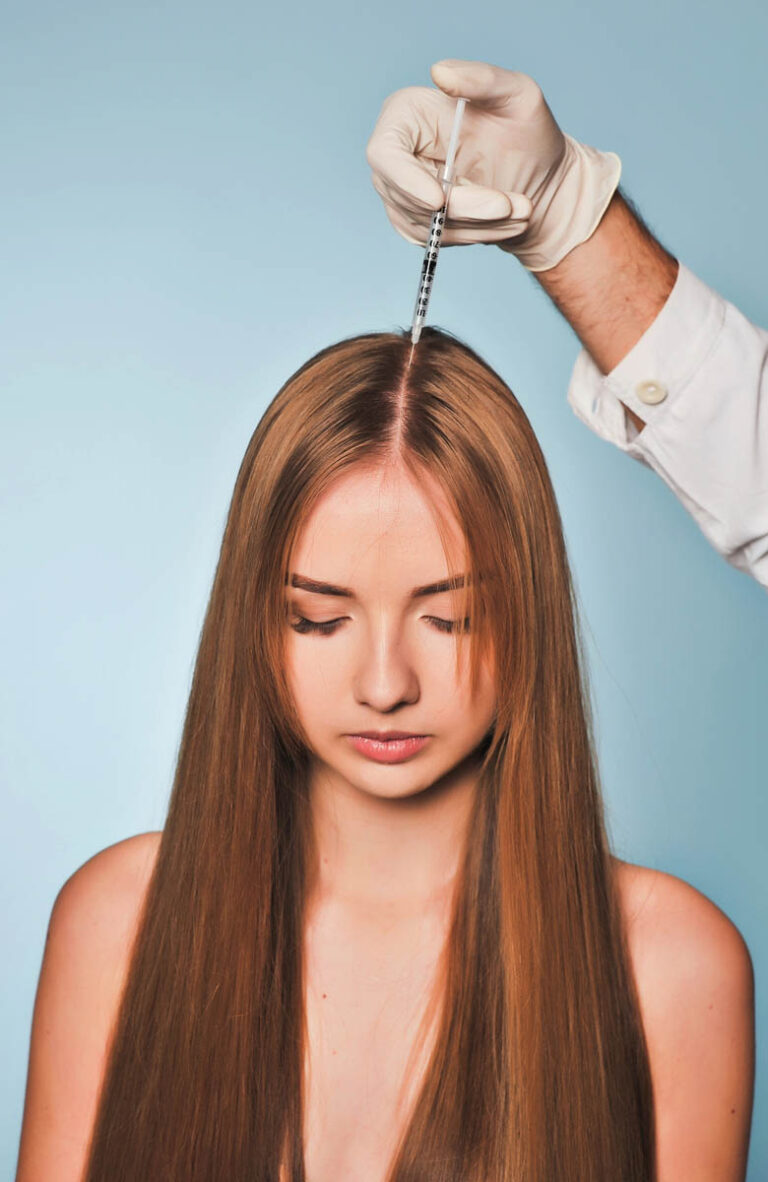
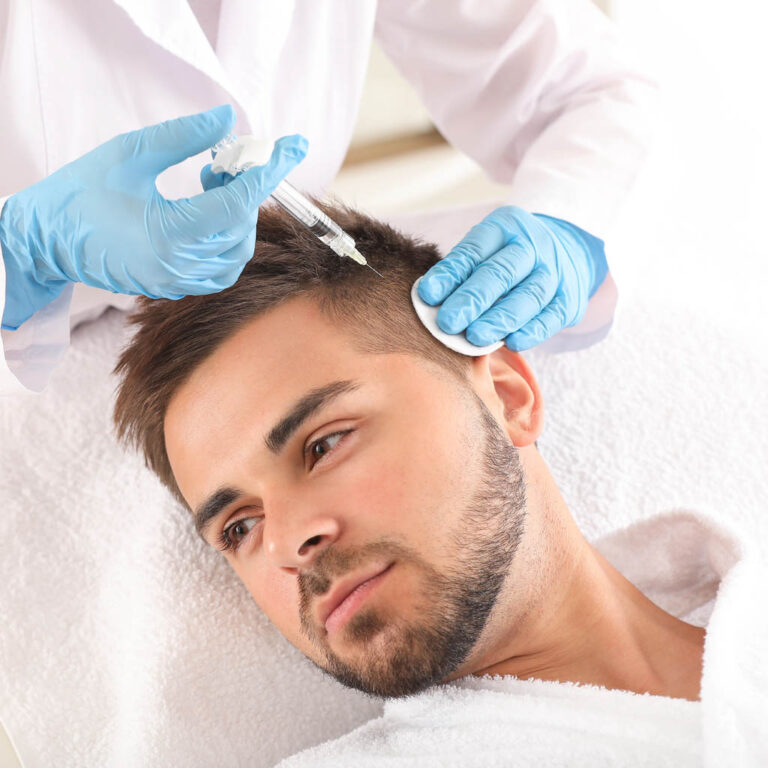
The procedure involves the local administration of an exosome-containing preparation into the scalp, most commonly via microinjection. It is performed by administering the product at specific points in selected areas, while adhering to aseptic standards. The duration of the procedure and the scope of administration are tailored to individual clinical conditions.

Overview of the course and further management

After the procedure, the doctor discusses the course of the treatment with the patient and provides instructions on post-procedure care. These may cover monitoring the scalp's reaction, caring for the treated areas, and tracking results as part of the overall treatment plan.

How much does exosome therapy for hair cost?

The cost of exosome therapy for hair is determined on an individual basis, as the procedure can be performed to varying extents and at different stages of the treatment process. The price depends on factors such as the number of planned sessions, the area of ​​the scalp being treated, and the specific clinical goal to be achieved.

The final cost also depends on whether exosome therapy is administered as a standalone treatment or as part of a broader therapeutic plan incorporating other methods for treating scalp disorders and hair loss. Consequently, there is no single, universal price list applicable to every clinical situation.

Detailed information regarding costs is provided once the scope of the procedure and the treatment plan have been determined, taking into account the current condition of the scalp, the diagnosis, and possible options for further management.

FAQ

Exosome therapy is a biological method whose application in treating scalp disorders raises many questions. The most frequently discussed issues are presented below from both medical and informational perspectives.

Exosome therapy is preceded by a medical assessment and performed in accordance with established medical standards. As with any medical procedure, it may be associated with transient local reactions in the treated area.

The number of treatments is not fixed and depends on the clinical condition of the scalp, the causes of hair loss, and the therapeutic goals. Exosome therapy can serve as a standalone procedure or be part of a broader treatment plan.

No. Exosome therapy is not a surgical procedure and does not replace hair transplantation in cases where surgical treatment is indicated. However, it can be considered as a method to support other forms of therapy.

Changes observed during the course of therapy vary by individual and depend on numerous biological factors and concomitant treatments. Current literature indicates a limited amount of data and a need for further clinical research.

Exosome therapy requires no recovery period or interruption to daily activities. Temporary localized reactions, such as scalp tenderness or redness, may occur.

Not every type of hair loss is an indication for exosome therapy. The use of this method depends on the cause of hair loss and the condition of the scalp, and it always requires an individual clinical assessment.

Why do patients choose exosome therapy for hair at PT Clinic?

Exosome therapy at PT Clinic is administered as part of a medical approach based on clinical analysis rather than standardized treatment protocols. Each case is evaluated individually, taking into account the underlying causes of the issue and the current condition of the scalp.

Clinical experience

The therapeutic approach is based on experience in the diagnosis and treatment of scalp disorders and hair loss. Exosome therapy is considered one of the supportive methods to be contemplated in specific clinical situations.

Individual approach

The treatment plan is not based on off-the-shelf protocols. The scope of procedures, their sequence, and the rationale for using exosome therapy are determined by an analysis of the clinical picture and the underlying mechanisms of the problem.

Safety and medical standards

Procedures are performed in compliance with aseptic principles and current medical standards. Exosome therapy is administered exclusively as part of a deliberately planned therapeutic regimen.

Continuity of care

Treating scalp disorders and hair loss requires monitoring and evaluating changes over time. Exosome therapy is part of a process that can be modified based on the skin’s response and the course of treatment.
CONSULTATION AND TREATMENT PLAN

Preliminary qualification

Take a breakthrough step toward restoring thick hair with advanced exosome biotechnology. Fill out a brief application form to begin the diagnostic process. Our medical team, led by Dr. Piotr Turkowski, will analyze the condition of your scalp and the extent of hair thinning. Based on this assessment, we will create a personalized plan for modern exosome therapy, estimate the number of sessions required, and present a tailored treatment plan.

Our team usually responds within 24 hours.

Substantive verification

The medical content on this site has been verified by a doctor – Piotr Turkowski, MD, PhD (PWZ: 2786580).

Legal notice: The content of this website is for educational and informational purposes only. It does not constitute professional medical advice, diagnosis, or treatment. It does not constitute a commercial offer within the meaning of Article 66 § 1 of the Civil Code.