


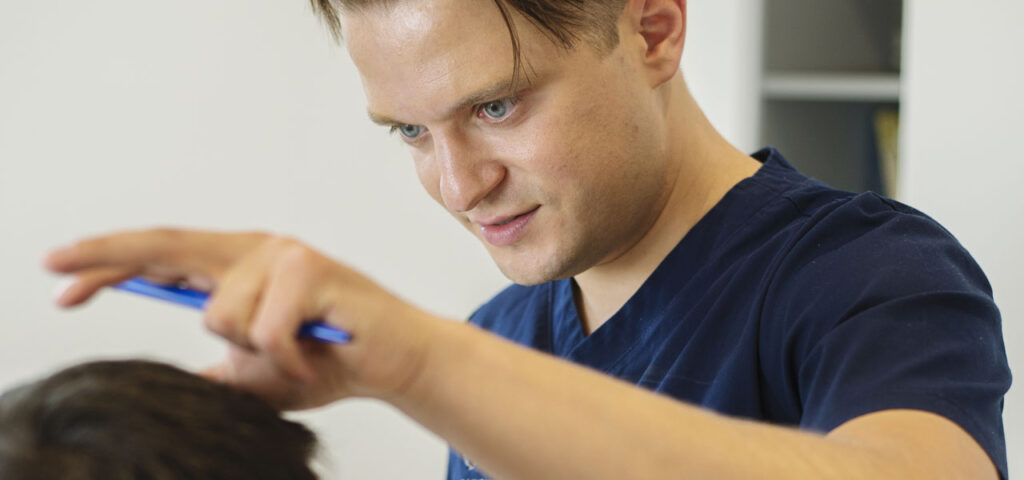
For people with diabetes, hair loss serves as an additional indicator that something concerning is happening within the body. Although hair loss is not among the most common complications of diabetes, its occurrence can signal metabolic or hormonal disturbances, or issues with microcirculation. How do diabetes and insulin affect hair loss, and what steps can be taken to support hair regeneration and improve the condition of one’s hair?
How does diabetes affect the condition of your hair?
Diabetes, both type 1 and type 2, leads to chronically elevated blood glucose levels, which can have a negative impact on various bodily systems, including the skin and hair. Long-term hyperglycemia can cause damage to blood vessels—including those that supply the scalp—resulting in impaired microcirculation and inadequate nourishment of the hair follicles. Consequently, hair becomes weaker, thinner, and more prone to falling out.
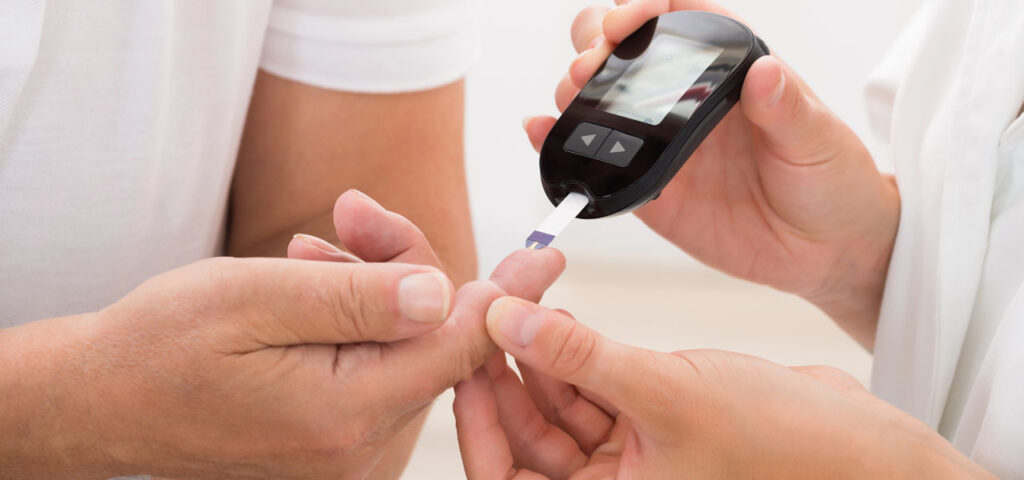
Insulin and hair loss
Insulin is a hormone that regulates blood glucose levels. In cases of insulin resistance, the body does not respond properly to insulin, leading to an excess of the hormone in the bloodstream. High insulin levels stimulate the production of androgens—sex hormones which, when present in excess, can weaken hair follicles and, consequently, exacerbate the mechanisms characteristic of androgenic alopecia.
Hair loss as a symptom associated with diabetes
A loss of hair density can be one of the first warning signs, especially in individuals with undiagnosed insulin resistance. Changes in the hair growth cycle—such as a premature transition into the telogen (resting) phase—lead to increased hair shedding. It is important to pay attention to this symptom, particularly if it is accompanied by other signs, such as chronic fatigue, frequent urination, or excessive thirst.
Jak zapobiegać wypadaniu włosów w cukrzycy?
To reduce the risk of hair loss associated with diabetes, it is primarily important to maintain stable blood glucose levels. Regular blood sugar monitoring, a balanced diet, and physical activity form the foundation for managing the condition. In cases of insulin resistance, pharmacological treatment (such as the use of metformin) may prove crucial, as it improves the sensitivity of tissues to this hormone.
A diet that supports hair health
A proper diet plays a significant role in maintaining healthy hair. It is beneficial to include foods rich in biotin, zinc, selenium, and B vitamins, which directly support the metabolism and growth of the hair shaft. At the same time, it is crucial to avoid an excess of simple sugars and trans fats, as these exacerbate systemic inflammation.
Hair supplementation and care
Targeted supplementation can effectively support the nourishment of hair follicles; however, before starting, it is advisable to undergo laboratory testing and consult a physician to determine safe dosages. Additionally, incorporating cosmetic products containing caffeine or peptides—which stimulate blood circulation in the scalp—can be beneficial.
A healthy scalp is the key to strong hair
Zdrowa skóra głowy to podstawa mocnych i gęstych włosów, a w przypadku osób z cukrzycą jej pielęgnacja ma szczególne znaczenie. Przewlekła hiperglikemia sprzyja zaburzeniom mikroflory i stanom zapalnym.
To prevent this, one should gently wash the hair twice using mild shampoos and regularly perform a trichological scalp exfoliation, which removes dead skin cells and improves microcirculation. It is also important to dry the hair thoroughly after washing—a damp environment, combined with elevated glucose levels, drastically increases the risk of fungal infections.
Stress and its impact on hair loss in diabetes
Not everyone realizes that chronic stress can further worsen the condition of one’s hair. An excessive release of cortisol disrupts the natural hair growth cycle, compounding the effects of metabolic disturbances.
The combination of blood sugar fluctuations and mental stress significantly weakens hair follicles. It is worth incorporating relaxation techniques into your daily routine and ensuring good sleep hygiene, which supports the regeneration of the entire body.
The importance of the scalp microbiome for hair health
The scalp microbiome plays a crucial role in maintaining a healthy protective barrier. In patients with diabetes, alterations in the microflora can lead to inflammation and the weakening of hair follicles.
It is worth opting for products that contain prebiotic ingredients and gentle cleansing formulas, which help maintain the physiological biological balance of the epidermis.
Aesthetic medicine treatments to support hair regeneration
In cases where hair loss associated with diabetes is severe, modern in-office procedures that stimulate cellular renewal can prove helpful.
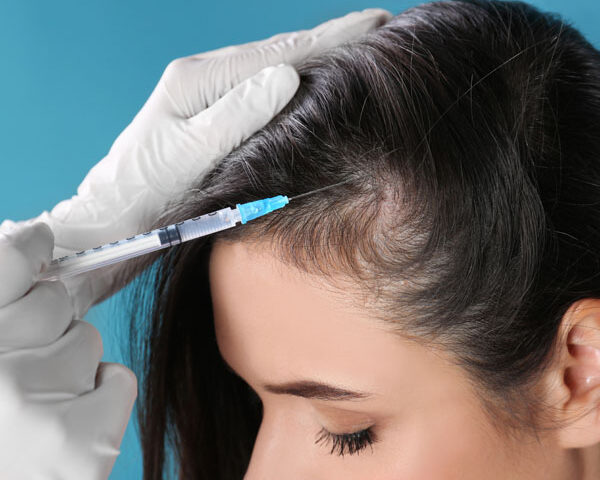
Among the most effective methods are scalp mesotherapy, which delivers nutrient cocktails directly into the tissues; LED phototherapy, which stimulates mitochondrial metabolism; and advanced exosome therapy for hair, which strongly supports biological regeneration.
At the Piotr Turkowski Clinic, every patient receives comprehensive care—starting with a professional consultation, during which any coexisting metabolic conditions are thoroughly analyzed. Only then do we implement safe, targeted trichological therapies.
How should you care for your hair if you have diabetes or insulin resistance?
A loss of hair density resulting from metabolic disorders requires a comprehensive approach, including the stabilization of blood glucose levels, an appropriate diet, and targeted hair care. If symptoms persist, it is essential to consult a specialist who can devise a safe treatment plan.
Frequently Asked Questions (FAQ)
Bibliography and medical sources
- American Diabetes Association. (2021). Standards of Medical Care in Diabetes. Diabetes Care, 44(Suppl. 1), S1-S232.
- Tosti, A. (2019). Hair Loss Disorders: Diagnostic and Therapeutic Approaches. Springer.
