


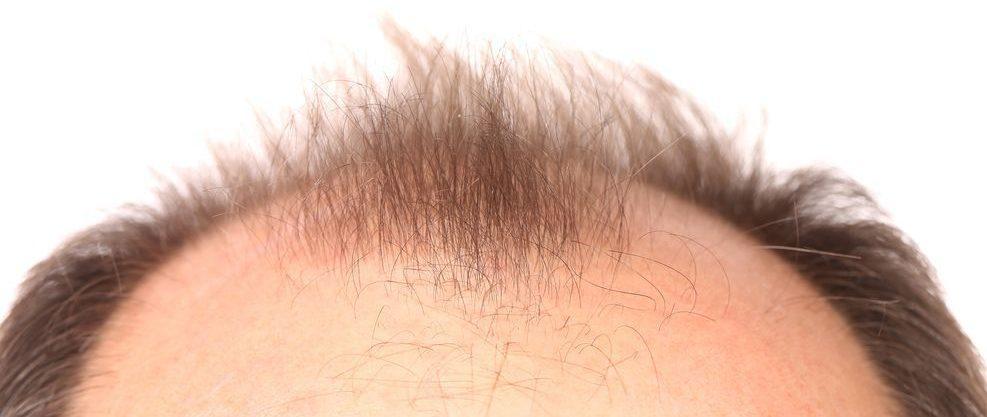
Alopecia—including the most common forms, such as androgenetic alopecia and telogen effluvium—is a complex medical condition that extends beyond aesthetic concerns, significantly impacting patients’ quality of life and psychological well-being. Modern aesthetic medicine and trichology offer a wide range of diagnostic and therapeutic options, meaning that hair loss need not be an irreversible process. However, the key to success lies in precisely determining the condition’s etiology.
Hair loss rarely leaves one’s mental well-being unaffected. The chronic stress associated with a deteriorating hairstyle, declining self-esteem, or the fear of further thinning can create a vicious cycle, exacerbating so-called psychogenic hair loss. That is why, at PT CLINIC, we take a holistic approach to this issue—combining precise medical diagnostics with a deep understanding of the patient’s emotions.
Causes of alopecia
Normal scalp physiology involves the loss of 50 to 100 hairs per day. Exceeding this limit, accompanied by noticeable thinning of the hair, serves as a warning sign. The causes of alopecia are multifactorial: ranging from genetic predispositions and hormonal imbalances (such as hypersensitivity to dihydrotestosteron—DHT—in androgenetic alopecia, or hormonal fluctuations during pregnancy, the postpartum period, and menopause) and metabolic deficiencies (including ferritin, iron, zinc, or vitamin D3), to chronic stress, autoimmune diseases, viral infections accompanied by high fever, and the use of certain medications. Follicle health is also affected by external factors, such as improper hair care, overly aggressive chemical treatments, or constant scalp tension caused by tight hairstyles.
Types of alopecia
In clinical trichology, alopecia is divided into two main categories: scarring and non-scarring.
Cicatricial alopecia
This type involves irreversible atrophy of the hair follicles, which are replaced by connective tissue. The causes vary, ranging from genetic and autoimmune diseases to infections (e.g., deep dermatophyte infections) and physical trauma. Immediate medical intervention is required to halt the disease process.
Non-scarring alopecia (primary alopecia)
This is the most common group of conditions in which hair follicles remain viable, offering a prognosis for successful treatment.
- Androgenetic alopecia – a hormone-dependent condition manifesting as the miniaturization of hair follicles under the influence of DHT. It affects both men and women (often post-menopause).
- Alopecia areata – an autoimmune condition requiring individually tailored pharmacotherapy.
- Telogen effluvium – often occurring after severe stress or illness, requiring time for the hair cycle to recover.
- Anagen effluvium – sudden hair loss during the growth phase, often as a reaction to toxic agents or chemotherapy.
- Seborrheic alopecia – associated with chronic inflammation of the scalp.
- Traction alopecia – caused by chronic mechanical tension and pulling of the hair due to unsuitable hairstyles.
Alopecia diagnosis at PT CLINIC
Making a diagnosis based solely on visual inspection is insufficient. At the clinic, we employ advanced procedures that allow us to assess the condition of the scalp at a microscopic level.
Key studies:
- Pull test: Initial assessment of the activity of the hair loss process.
- Trichogram: Microscopic analysis of hair bulbs.
- Trichoscopy: The gold standard in diagnostics, allowing for the magnification of the scalp and hair structures without the need for plucking.
- Phototrichogram: Allows for an objective assessment of hair density and growth dynamics over time.
Alopecia treatment methods
Treatment for excessive hair loss must always be tailored to the specific diagnosis made by a physician. At PT CLINIC, we combine targeted systemic and topical pharmacotherapy with advanced aesthetic medicine procedures. We utilize methods such as needle mesotherapy, platelet-rich plasma (PRP) therapy, and modern laser therapy to stimulate microcirculation, nourish hair follicles, and activate regenerative processes in the scalp.
While home care and shampoos cannot replace targeted medical treatment or in-office procedures, they form the foundation of scalp prevention and support. When selecting supportive products, it is worth choosing dermocosmetics that contain proven active ingredients—such as Aminexil, peptides, caffeine, or niacinamide—that stimulate microcirculation and nourish hair follicles.
