


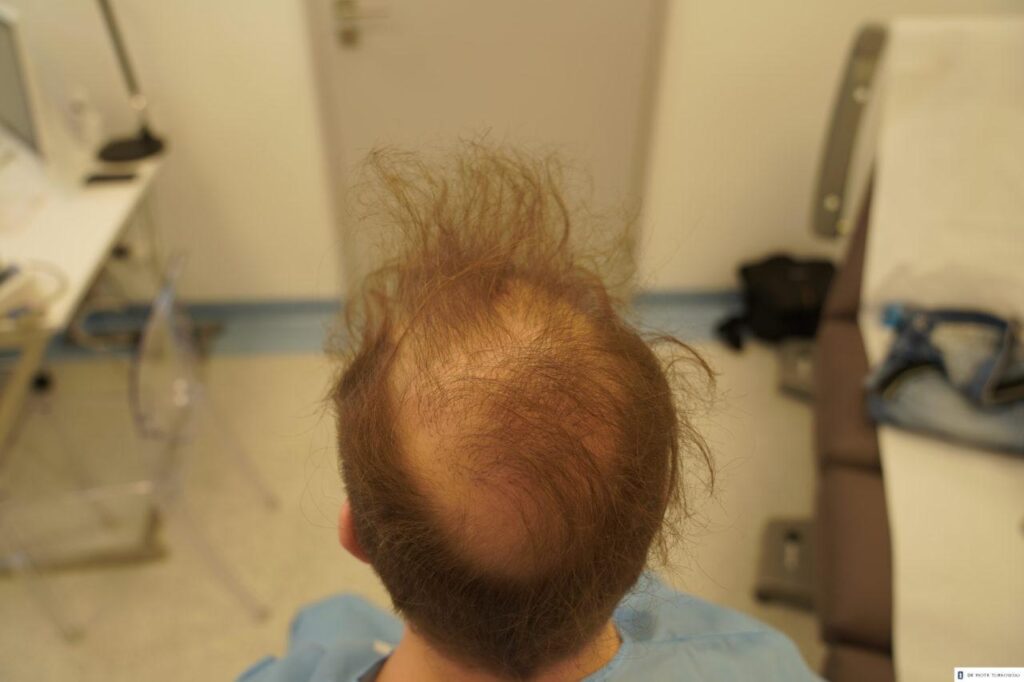
Choosing the optimal hair transplant technique is a crucial decision for any patient struggling with advanced hair loss. Modern hair restoration surgery offers a variety of approaches; however, understanding the differences between the traditional STRIP (FUT) method and the modern, minimally invasive FUE technique is fundamental. The method of graft harvesting, the recovery process, and the final aesthetic outcome determine the patient’s comfort and the natural appearance of the restored hairline.
STRIP or FUE hair transplant? Discover the key technical differences.
The STRIP and FUE hair transplant methods are based on different procedural principles. The fundamental difference between the two procedures lies in the method of harvesting grafts from the donor area (most commonly the back of the head). In the STRIP method, a full-thickness strip of hair-bearing skin is surgically removed, whereas in the FUE method, individual follicular units are extracted directly from the donor skin area without the use of a scalpel.
It should be noted that the FUE hair transplant method is a far more modern, advanced, and precise technique. It is hardly surprising, then, that in recent years it has enjoyed the greatest—and steadily growing—popularity among both patients and surgeons. With the FUE method, the surgeon performing the procedure makes a precise, medically sound selection of the highest-quality transplant material—namely, individual grafts.

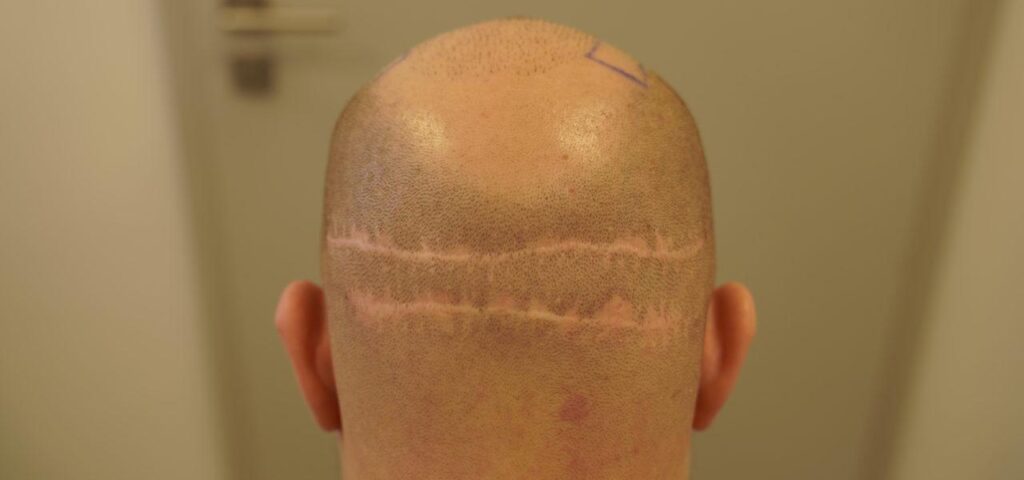
Another significant advantage—and a powerful argument for the superiority of the FUE method over the STRIP method—is the complete absence of a thick, unsightly linear scar. With the STRIP technique, a scar inevitably forms due to the excision and suturing of a strip of skin from the back of the head, which prevents the patient from wearing short hairstyles in the future.
Why is the FUE method less invasive?
Harvesting individual grafts using the FUE (Follicular Unit Extraction) method is a minimally invasive procedure that requires neither a scalpel nor surgical sutures. Only microscopic wounds remain at the extraction site, healing without leaving a trace. Consequently, the recovery period is significantly shorter, the patient experiences minimal pain, and the risk of infection in the treated area is reduced to an absolute minimum.
It is worth emphasizing that the FUE method does not entail the complications associated with the older STRIP technique, such as chronic numbness, a painful sensation of skin tightness, or the formation of thickened, pulling scars at the back of the head.
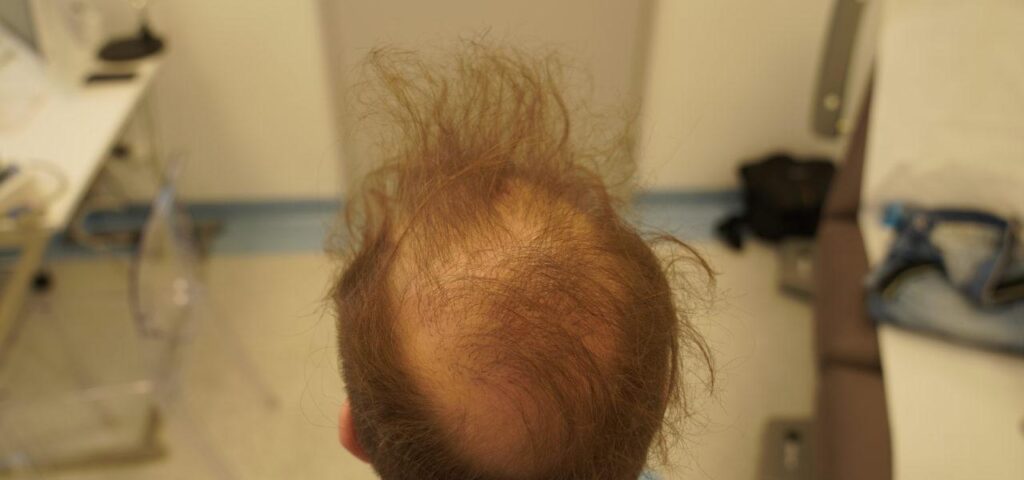
Aesthetic advantages and flexibility of the FUE method
Another great advantage of the FUE technique is the unique ability to harvest hair not only from the classic donor area at the back of the head but also from other parts of the body (known as BHT—Body Hair Transplant), such as the beard, chest, or limbs.
An aesthetic benefit of the FUE method worth highlighting is the complete freedom to choose one’s hairstyle. The absence of an unsightly, wide linear scar allows patients to wear very short hair once the donor area has healed. The extraction micro-points become completely invisible, which drastically improves the patient’s psychological well-being and quality of life following the procedure.
The role of the surgeon’s experience in transplant success
It is important to note that the success of the procedure and the final, natural-looking result of the transplant depend primarily on the operator’s exceptional precision, knowledge, and years of experience. Advanced devices, micromotors, and automated systems play a purely supportive role in restorative surgery.
For this reason, the marketing efforts of various centers—which focus the patient’s attention solely on the names of machines or robots—often serve to distract from what matters most: the physician’s manual skills. Skillfully extracting a follicular unit without damaging it (avoiding transection), followed by efficient and aesthetically pleasing implantation into the recipient sites, guarantees the highest quality and a satisfying visual outcome. It is therefore worth entrusting your health and appearance to specialists at a professional clinic.
